

TPMS System Inspection
Our technicians will check the condition of your TPMS system for free.
Overview
The Tire Pressure Monitoring System (TPMS) measures the air pressure in your tires and alerts you whenever levels fall outside the safe range. There are two main types of TPMS, direct and indirect. A direct TPMS collects data from pressure sensors located inside each tire, while an indirect TPMS estimates tire pressure by analyzing wheel speed data.
Driving with improper tire pressure creates serious safety risks. Overinflated tires may bounce on the road and lose grip, while underinflated tires generate excess heat, wear down quickly, and can eventually cause tread damage, blowouts, or accidents. To avoid these hazards, we encourage drivers to monitor their TPMS closely and take action whenever a warning appears at one of our locations.
Know What Your System Is Telling You
We help you understand your TPMS alerts so you can respond with confidence, not guesswork.
Catch Issues Before They Escalate
Early detection of sensor or pressure problems helps prevent bigger safety and performance concerns.
Transparent Recommendations
If repairs are needed, you get clear guidance and pricing before any work begins.
What to expect during your visit:
A system check to confirm your TPMS sensors are communicating properly
Inspection of sensor condition, seals, and related components
Verification of tire pressure against manufacturer recommendations
Diagnostic scan to identify any faults or warning triggers
Clear explanation of any issues and next steps if repairs are needed
Why Service Your TPMS
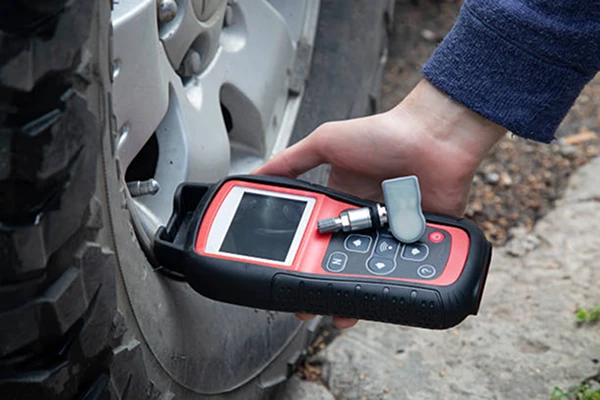
If your TPMS signals a tire pressure issue, we invite you to reach out for professional assistance. Our technicians at Tire World Auto Repair are trained and fully equipped with specialized tools to handle TPMS service. Using advanced diagnostic equipment, we can access your system's readings, adjust tire pressure to the manufacturer's recommended levels, and confirm that your sensors are functioning properly.
If your TPMS is malfunctioning or not responding at all, our team will identify the right repair or replacement solution. Should you have any concerns or questions about how your system operates, please don't hesitate to call or connect with us online. Our staff will gladly walk you through the process and ensure you're back on the road with a reliable, working TPMS.
Understanding Your TPMS
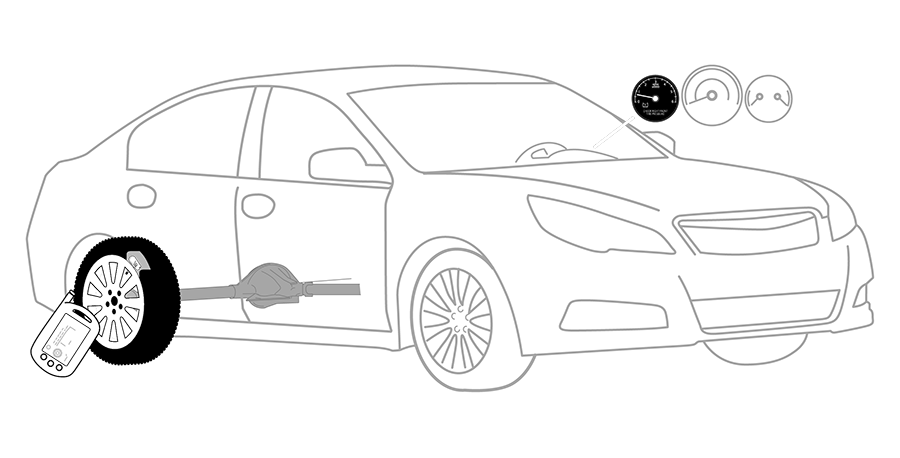
Underinflated tires can compromise both the handling of your vehicle and the safety of everyone inside. The Tire Pressure Monitoring System plays a vital role in preventing these issues by helping maintain proper traction, reducing tire wear, shortening braking distances, and boosting fuel efficiency. Today, vehicles use one of two types of TPMS, Direct or Indirect.
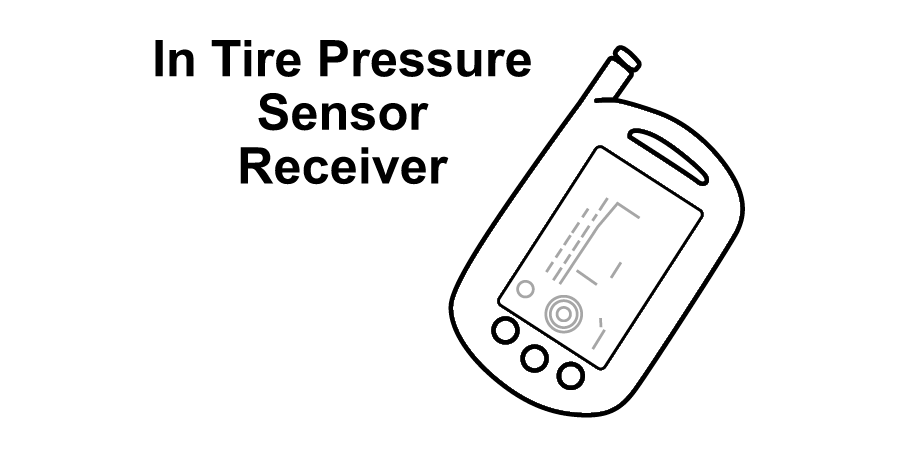
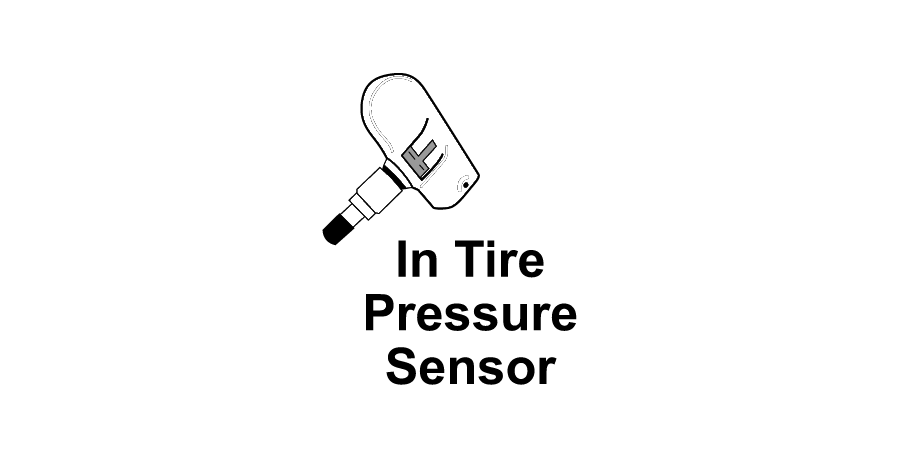
Direct TPMS units send data from internal tire sensors to your vehicle's computer, while Indirect TPMS systems use wheel speed readings through the Anti-lock Braking System (ABS) to estimate pressure. As tire pressure decreases, the rolling distance shortens and wheel speed increases, which the system detects. To achieve peak performance and safety, TPMS units require routine servicing, which is why modern vehicles are all required to have them installed.
Benefits Of Your TPMS
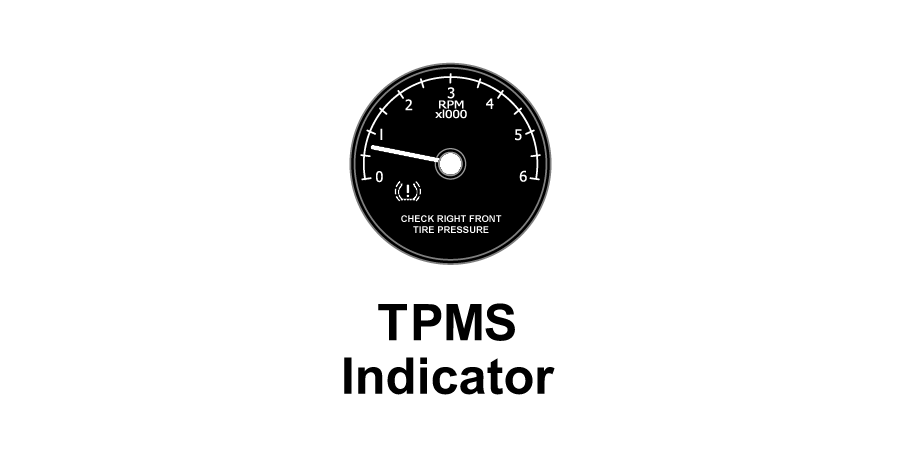
Your car's Tire Pressure Monitoring System (TPMS) constantly checks the pressure levels inside each tire. If the air pressure drops below the manufacturer's recommended threshold, the TPMS will notify you by illuminating an indicator light on your dashboard. When this light comes on, it's important to inspect your tires, adjust them to the proper pressure, or visit one of our locations for a tire pressure check.
If the TPMS is not working properly, you can also schedule an appointment with our shop for professional support. During a maintenance appointment, our technicians will test the system to ensure it's working accurately and efficiently. If we discover damage or wear within the system, we may recommend replacing components such as valve cores, nuts, seals, or caps.
If your warning light is staying on, you can schedule a same day appointment with Tire World Auto Repair.
FAQs
Tire & Wheel Services
Reserve time with a tire expert to help choose the right tires for your vehicle and budget.
Flat Tire Repairs are always free. Even if you did not purchase the tires from us.
To avoid uneven tread wear it's important to rotate your tires regularly.
Maintaining proper tire pressure is simple but vital for safety, performance, fuel savings, and tire life.
Wheel alignment is important for tire life and vehicle handling.
We offer wheel balancing services to ensure longer tire life, even wear, and a smooth, vibration-free ride.
Switch to winter tires in the fall and back to summer tires in the spring for optimal safety and performance.
Vehicle Maintenance Services
Reserve an appointment for your oil change. Includes a Free Tire Rotation and Free Vehicle Fluid Check.
Make sure your vehicle is in tip-top shape with a full vehicle inspection.
We can quickly check the condition of your battery using our state-of-art equipment.
Heating and cooling system is essential for cabin comfort and engine performance. Schedule an appointment today to ensure your system is in top shape!
Warning Light? Strange sound? We can can help with a basic engine check.
Our technicians will check the level and condition of the important fluids in your vehicle.
Belts and hoses are essential to your vehicle's reliability, and ignoring worn components can lead to overheating, power loss, or unexpected breakdowns.
Shocks and struts are vital to your vehicle's suspension system and ignoring worn parts compromises performance and safety.
Learn the signs of a bad starter and alternator, and schedule an appointment to help maintain battery health and engine performance.
Your windshield wipers are essential to a clear view. Choose the right blades and care for them regularly.
Functioning headlights and taillights are essential for visibility and safety. Schedule your appointment today for a quick replacement.
Learn the signs that your engine air filter(s) need replacement to ensure clean air supply and prevent costly damages.
A clean cabin air filter helps keep dust, pollen, and road pollutants out of your vehicle's interior for healthier air.